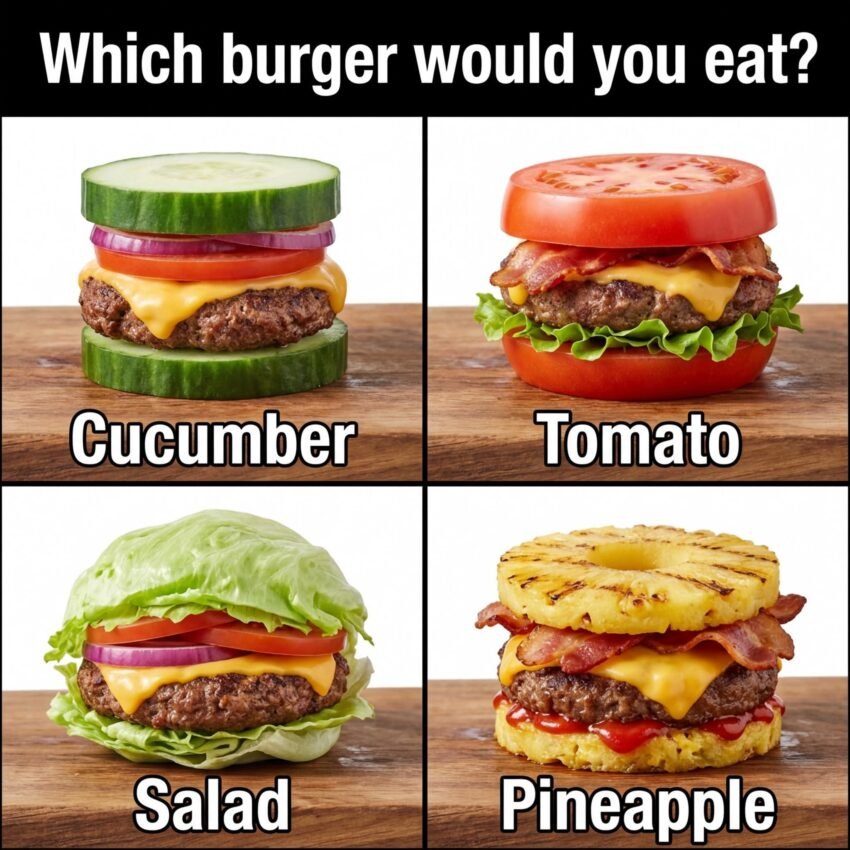
High-Protein Meal Plan for Busy People: Simple, Effective, and Science-Backed
Modern life moves fast. Between work, family responsibilities, commuting, and daily stress, preparing balanced meals often becomes difficult. Many people rely on convenience foods that are quick but low in nutritional value. A high-protein meal plan offers a practical solution — helping you stay energized, maintain muscle mass, manage weight, and improve overall health without spending hours in the kitchen.
This science-backed high-protein meal plan is designed specifically for busy people who want simple, realistic meals that fit into a hectic schedule.
Why Protein Matters
Protein plays a crucial role in nearly every function of the body. It helps build and repair tissues, supports immune function, balances hormones, and keeps you feeling full longer.
Research consistently shows that higher protein intake can:
- Reduce hunger and cravings
- Support fat loss while preserving muscle
- Stabilize blood sugar levels
- Improve energy and mental focus
- Enhance recovery after physical activity
For most adults, consuming protein throughout the day — rather than in one large meal — produces the best results.
How Much Protein Do You Need?
General recommendations suggest:
- Sedentary adults: 0.8 grams per kilogram of body weight
- Active individuals: 1.2–1.6 grams per kilogram
- Muscle building or fat loss: 1.6–2.2 grams per kilogram
For example, a 70 kg person may aim for 85–120 grams of protein daily depending on goals and activity level.
Principles of a Busy-Friendly Meal Plan
This plan focuses on three key ideas:
- Simple preparation — minimal cooking time
- Batch cooking — prepare once, eat multiple times
- Balanced nutrition — protein paired with fiber and healthy fats
Meals should take less than 20 minutes to prepare or be ready ahead of time.
High-Protein Foods to Keep at Home
Stocking the right ingredients makes healthy eating effortless.
Animal-Based Proteins
- Eggs
- Chicken breast
- Greek yogurt
- Tuna and salmon
- Lean beef
- Cottage cheese
- Milk
Plant-Based Proteins
- Lentils
- Chickpeas
- Beans
- Tofu and tempeh
- Quinoa
- Nuts and seeds
- Peanut butter
Quick Protein Boosters
- Protein powder
- Boiled eggs
- Roasted chickpeas
- Cheese sticks
- Hummus
7-Day High-Protein Meal Plan
Day 1
Breakfast: Greek yogurt with oats and berries
Lunch: Grilled chicken salad with olive oil dressing
Snack: Handful of almonds
Dinner: Salmon, quinoa, and roasted vegetables
Day 2
Breakfast: Protein smoothie with milk, banana, peanut butter, and protein powder
Lunch: Tuna wrap with whole-grain tortilla
Snack: Cottage cheese with fruit
Dinner: Stir-fried chicken and vegetables over brown rice
Day 3
Breakfast: Scrambled eggs with whole-grain toast
Lunch: Lentil soup with side salad
Snack: Boiled eggs
Dinner: Lean beef mince with roasted sweet potatoes
Day 4
Breakfast: Overnight oats with chia seeds and yogurt
Lunch: Chickpea and avocado bowl
Snack: Protein bar
Dinner: Baked chicken breast with steamed broccoli
Day 5
Breakfast: Omelet with vegetables and cheese
Lunch: Quinoa and grilled vegetable bowl with tofu
Snack: Peanut butter with apple slices
Dinner: Shrimp stir-fry with mixed vegetables
Day 6
Breakfast: Smoothie bowl topped with nuts and seeds
Lunch: Turkey or chicken sandwich on whole-grain bread
Snack: Greek yogurt
Dinner: Baked fish with lentils and spinach
Day 7
Breakfast: Cottage cheese pancakes
Lunch: Leftover protein bowl
Snack: Roasted chickpeas
Dinner: Chicken curry with brown rice
Meal Prep Strategy for Busy People
1. Cook Protein in Bulk
Prepare chicken, lentils, or boiled eggs for several days at once.
2. Use Simple Cooking Methods
- Baking
- Air frying
- Grilling
- One-pan meals
3. Build Meals Quickly
Use this formula:
Protein + Fiber + Healthy Fat
Example:
Chicken + vegetables + olive oil
Yogurt + fruit + nuts
Smart Snacking Ideas
High-protein snacks prevent energy crashes and overeating later.
Quick options:
- Hard-boiled eggs
- Protein shakes
- Cheese and nuts
- Yogurt cups
- Hummus with vegetables
Aim for 15–25 grams of protein per snack when possible.
Science-Backed Benefits
Weight Management
Protein increases satiety hormones while reducing hunger signals, making calorie control easier.
Muscle Preservation
During weight loss, higher protein intake helps maintain lean muscle mass.
Stable Energy Levels
Protein slows digestion, preventing rapid spikes and crashes in blood sugar.
Improved Metabolism
Protein has a higher thermic effect of food (TEF), meaning your body burns more calories digesting it compared to fats or carbohydrates.
Common Mistakes to Avoid
- Skipping breakfast protein
- Eating most protein only at dinner
- Relying solely on supplements
- Ignoring vegetables and fiber
- Not drinking enough water
Balance is essential for long-term success.
Time-Saving Kitchen Tips
- Keep frozen vegetables available
- Use pre-cooked grains
- Buy rotisserie chicken for quick meals
- Prepare overnight breakfasts
- Portion snacks ahead of time
Small systems make healthy eating automatic.
Who Benefits Most from a High-Protein Plan?
This approach works especially well for:
- Busy professionals
- Students
- Parents managing tight schedules
- Fitness enthusiasts
- People trying to lose weight
- Adults wanting steady energy throughout the day
Final Thoughts
Healthy eating does not require complicated recipes or endless cooking hours. A high-protein meal plan built around simple foods and smart preparation can dramatically improve energy, focus, and overall health.
Consistency matters more than perfection. By prioritizing protein at each meal, planning ahead, and choosing practical foods, even the busiest person can maintain a nutritious lifestyle.
Start small, stay consistent, and let simple, protein-rich meals support your daily performance and long-term wellbeing.
If you want, I can also create SEO keywords, meta description, or a 30-day high-protein meal plan for your website.