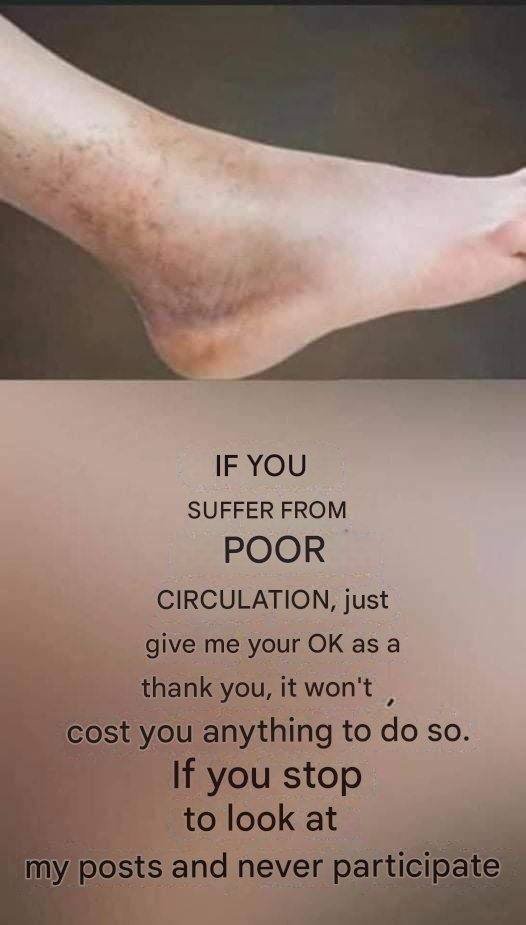
If You Suffer from Poor Circulation and Your Legs Feel Heavy or Swollen, Here’s the Solution
Many people experience discomfort in their legs—aching, heaviness, swelling, or tingling—without realizing that these are often signs of poor circulation. Circulatory issues can affect anyone, from sedentary office workers to active individuals, and if left untreated, they can lead to more serious health problems. Fortunately, there are natural strategies and lifestyle adjustments that can significantly improve blood flow and relieve discomfort.
Understanding Poor Circulation
Poor circulation occurs when blood flow to certain parts of the body is restricted or slowed. In the legs, this often leads to:
- Swelling and fluid retention
- Aching, throbbing, or heavy sensations
- Cold feet and toes
- Tingling or numbness
- Varicose veins or visible veins
Causes of poor circulation can vary, including sedentary lifestyle, obesity, diabetes, smoking, and aging. Underlying conditions such as peripheral artery disease (PAD) or chronic venous insufficiency can also contribute.
Why Circulation Matters
Healthy blood flow is essential for:
- Delivering oxygen and nutrients to cells
- Removing metabolic waste and toxins
- Supporting immune function
- Maintaining overall cardiovascular health
When circulation is compromised, the legs are often the first to feel the effects, as blood struggles to return to the heart efficiently.
Natural Solutions to Improve Leg Circulation
1. Movement and Exercise
One of the most effective ways to combat poor circulation is regular movement:
- Walking: A brisk 20–30 minute walk daily encourages blood flow.
- Leg Elevation: Elevate legs above heart level for 15–20 minutes to reduce swelling.
- Ankle Pumps and Circles: While sitting or lying down, flex and rotate your ankles to stimulate circulation.
- Stretching: Gentle stretches of calves and hamstrings improve venous return.
Even light daily activity can make a significant difference over time.
2. Diet and Hydration
What you eat directly affects circulation:
- Anti-inflammatory foods: Leafy greens, berries, fatty fish, garlic, and ginger help reduce inflammation in blood vessels.
- Foods rich in flavonoids: Citrus fruits, apples, and dark chocolate strengthen capillaries.
- Limit salt and processed foods: Excess sodium increases fluid retention and swelling.
- Stay hydrated: Water thins the blood and supports smooth circulation.
3. Natural Supplements
Certain natural remedies are known to support vascular health:
- Horse Chestnut Extract: Can strengthen veins and reduce swelling.
- Ginkgo Biloba: Improves blood flow to extremities.
- Omega-3 Fatty Acids: Found in fish oil, they help reduce blood viscosity and improve circulation.
Always consult a healthcare professional before starting supplements.
4. Compression Therapy
Compression stockings or socks are highly effective for people with chronic leg swelling or varicose veins. They:
- Apply gentle pressure to the legs
- Help veins return blood to the heart efficiently
- Reduce swelling, heaviness, and discomfort
Compression garments come in varying strengths; a healthcare provider can recommend the right level.
5. Lifestyle Adjustments
- Avoid prolonged sitting or standing: Take breaks every hour to move around.
- Maintain healthy weight: Excess weight puts pressure on veins and arteries.
- Quit smoking: Nicotine constricts blood vessels and worsens circulation.
- Limit alcohol: Excess alcohol can contribute to swelling and fluid retention.
6. Home Remedies for Immediate Relief
- Warm baths or foot soaks: Warm water relaxes blood vessels and improves blood flow.
- Massage: Gentle leg massage encourages circulation and reduces discomfort.
- Cold compress alternation: Alternating warm and cold compresses stimulates circulation and reduces swelling.
When to Seek Medical Advice
While lifestyle changes help, some signs indicate you should see a doctor:
- Severe or persistent leg pain
- Sudden swelling or redness
- Non-healing sores on the legs or feet
- Tingling or numbness accompanied by weakness
These could signal conditions like deep vein thrombosis (DVT), peripheral artery disease, or diabetes-related neuropathy. Early diagnosis and treatment are essential.
Tips for Long-Term Leg Health
- Stay Active Daily: Even light walking or stretching helps maintain healthy circulation.
- Balanced Diet: Prioritize whole foods, reduce processed items, and stay hydrated.
- Monitor Weight: Maintaining a healthy weight reduces stress on veins.
- Elevate Legs Regularly: Particularly after long periods of sitting or standing.
- Regular Checkups: Blood pressure, cholesterol, and vascular health checks help catch problems early.
Final Thoughts
Poor circulation can make your legs feel heavy, achy, or swollen, but with targeted lifestyle changes, diet improvements, and simple home remedies, you can significantly improve blood flow and overall leg comfort. By moving regularly, eating a nutrient-rich diet, staying hydrated, and incorporating natural remedies like compression therapy and massage, you can restore circulation, reduce swelling, and feel lighter and more energized.
If discomfort persists despite these measures, consult a healthcare professional for proper evaluation. Healthy circulation is key to leg comfort, overall vitality, and long-term cardiovascular health.