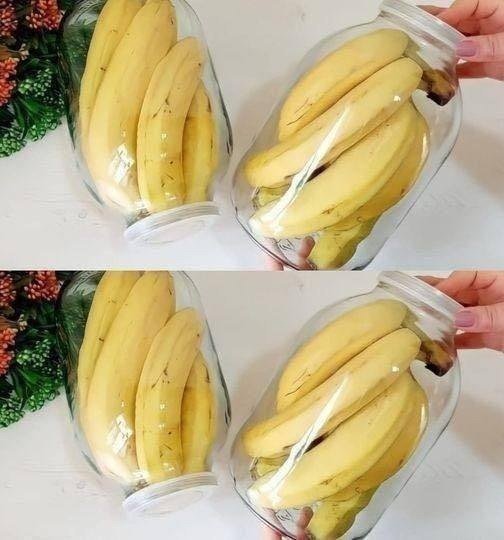
Bananas Won’t Spoil in Just a Few Days; With This Simple Method They Last Much Longer 🍌
Bananas are one of the most popular fruits in the world. They are affordable, nutritious, and incredibly versatile. Whether you add them to smoothies, slice them over cereal, bake them into bread, or simply enjoy them as a quick snack, bananas are a staple in many households. However, there is one common problem that almost everyone faces: bananas ripen too quickly and spoil within a few days.
Many people buy a bunch of bananas only to find them turning brown and overly soft before they have the chance to eat them. This leads to unnecessary food waste and money lost. Fortunately, there are simple and effective methods to slow down the ripening process so your bananas stay fresh for much longer.
In this article, you will learn why bananas spoil quickly, the science behind ripening, and practical methods to keep bananas fresh for days or even weeks.
Why Bananas Spoil So Quickly
Bananas ripen faster than many other fruits because they naturally release a gas called ethylene. This gas acts as a ripening hormone that speeds up the maturation of fruit.
When bananas are harvested, they are usually green and firm. As they sit at room temperature, they start producing ethylene gas. This gas triggers several changes:
-
The fruit becomes softer
-
The peel changes from green to yellow
-
The sugar content increases
-
Brown spots begin to appear
Once the ripening process starts, it continues quickly, especially when bananas are stored in warm environments or placed near other fruits that also release ethylene.
This is why a bunch of bananas on your kitchen counter may go from perfectly yellow to overripe and mushy in just a few days.
The Simple Method That Keeps Bananas Fresh Longer
One of the easiest and most effective tricks to slow banana ripening involves wrapping the stems of the bananas.
Step-by-Step Method
-
Separate the bananas from the bunch (optional but helpful).
-
Wrap the stems tightly with plastic wrap or aluminum foil.
-
Place the bananas in a cool, dry place away from sunlight.
Why This Works
Most of the ethylene gas that bananas release comes from the stem area. When you wrap the stems, you limit the amount of gas escaping and spreading to the rest of the fruit. This slows down the ripening process and helps bananas stay fresh for several extra days.
Many people who use this method notice that their bananas stay yellow and firm up to 4–7 days longer than usual.
Additional Tips to Prevent Bananas From Spoiling
While wrapping the stems is extremely effective, there are several other tricks that can help extend the life of your bananas.
1. Keep Bananas Away From Other Fruits
Fruits like apples, avocados, tomatoes, and pears also produce ethylene gas. When bananas are stored next to them, the ripening process accelerates.
To prevent this:
-
Store bananas separately from other fruits
-
Keep them on their own fruit bowl or rack
This small change can significantly slow down spoilage.
2. Hang Bananas on a Banana Hook
Bananas bruise easily when placed on hard surfaces. Pressure spots can cause them to ripen unevenly and spoil faster.
Using a banana hanger or hook allows air to circulate around the fruit and prevents bruising. This helps bananas stay fresh and visually appealing longer.
3. Refrigerate Ripe Bananas
Many people think bananas should never be placed in the refrigerator, but this is not entirely true.
If bananas are already ripe, putting them in the fridge can slow the ripening process.
Important notes:
-
The peel may turn dark or brown.
-
The fruit inside will stay firm and fresh for several days.
Refrigeration is especially useful if you are not planning to eat your bananas immediately.
4. Freeze Bananas for Long-Term Storage
If your bananas are becoming too ripe, freezing them is an excellent solution.
How to Freeze Bananas
-
Peel the bananas.
-
Slice them into pieces.
-
Place them in an airtight container or freezer bag.
-
Store them in the freezer.
Frozen bananas can last 2–3 months and are perfect for:
-
Smoothies
-
Banana bread
-
Pancakes
-
Ice cream alternatives
Frozen bananas also add natural sweetness and creaminess to many recipes.
5. Store Green Bananas at Room Temperature
If your bananas are still green, avoid placing them in the refrigerator. Cold temperatures can interrupt the natural ripening process and cause uneven coloring.
Instead:
-
Leave green bananas at room temperature
-
Keep them away from direct sunlight
Once they reach the desired ripeness, you can move them to the refrigerator to extend their freshness.
Signs That Bananas Are Going Bad
Even with the best storage methods, bananas will eventually spoil. Knowing the signs can help you decide whether they are still safe to eat.
Normal Ripening Signs
These signs are completely normal and safe:
-
Brown spots on the peel
-
Softer texture
-
Stronger banana aroma
-
Sweeter taste
In fact, many recipes such as banana bread require very ripe bananas.
Signs of Spoilage
Bananas may be spoiled if you notice:
-
Mold on the peel or fruit
-
Fermented or sour smell
-
Leaking liquid
-
Extremely mushy texture
When these signs appear, it is best to discard the fruit.
Creative Ways to Use Overripe Bananas
Even if bananas become very ripe, they are still incredibly useful in the kitchen. Instead of throwing them away, try using them in these delicious recipes:
Banana Bread
Overripe bananas are perfect for moist and flavorful banana bread. Their natural sweetness enhances the taste and reduces the need for extra sugar.
Smoothies
Frozen or ripe bananas create a creamy texture in smoothies without needing dairy products.
Pancakes and Waffles
Mashed bananas can be added to pancake batter for natural sweetness and extra nutrition.
Banana Ice Cream
Blend frozen banana slices to create a healthy, dairy-free dessert often called “nice cream.”
Muffins and Cakes
Bananas add moisture and flavor to baked goods, making them softer and richer.
Nutritional Benefits of Bananas
Besides being delicious and easy to store, bananas are also packed with nutrients.
They contain:
-
Potassium, which supports heart health
-
Vitamin B6, important for brain function
-
Vitamin C, which supports the immune system
-
Fiber, which aids digestion
-
Natural carbohydrates, providing quick energy
Because of these benefits, bananas are often recommended for athletes, children, and anyone needing a healthy snack.
Reducing Food Waste With Smart Storage
Food waste is a global issue, and fruits like bananas are often thrown away simply because they ripen too quickly. By using simple storage techniques such as wrapping the stems, separating fruits, refrigerating ripe bananas, or freezing them, you can significantly extend their shelf life.
These small habits not only save money but also help reduce environmental waste.
Final Thoughts
Bananas are a convenient, nutritious, and delicious fruit, but their quick ripening can be frustrating. Fortunately, a simple method like wrapping the banana stems with plastic wrap or foil can dramatically slow down the ripening process.
Combined with other smart storage practices—such as keeping bananas away from ethylene-producing fruits, hanging them on a banana hook, refrigerating ripe bananas, and freezing extras—you can enjoy fresh bananas for much longer.
The next time you bring home a bunch of bananas, try these methods and watch how they stay yellow and delicious for days beyond their usual shelf life.
With just a little effort, you can reduce waste, save money, and always have fresh bananas ready for snacks, smoothies, and baking. 🍌