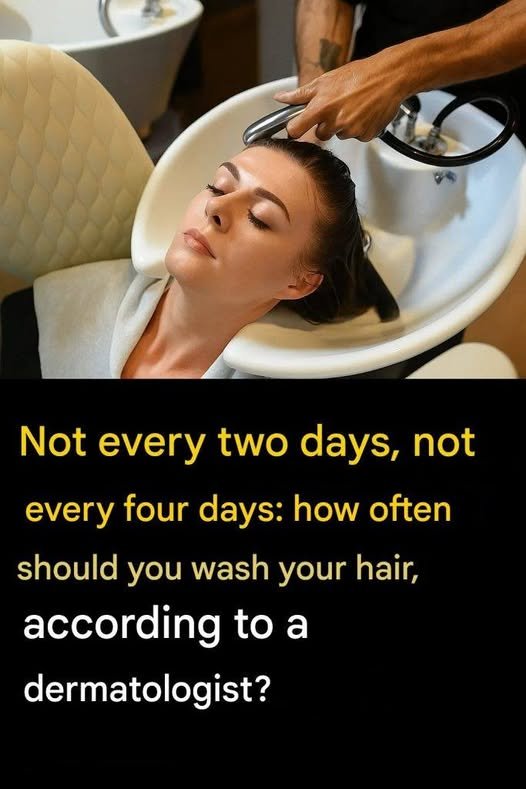
Here’s How Often You Should Wash Your Hair, According to a Dermatologist
Hair washing is an essential part of personal hygiene, but many people are unsure about how often they should wash their hair. Some individuals wash their hair every day, while others go several days or even a week between washes. According to experts in Dermatology, the ideal hair-washing schedule depends on several factors, including your hair type, scalp condition, lifestyle, and the products you use.
Dermatologists explain that washing your hair too often can strip away natural oils, while washing it too infrequently can lead to buildup of oil, sweat, and dirt. Finding the right balance is key to maintaining healthy hair and scalp.
Understanding Your Scalp and Hair
The scalp naturally produces oil through sebaceous glands. This oil, called Sebum, helps moisturize the hair and protect the scalp. However, when too much oil accumulates, it can make hair appear greasy and can attract dirt and environmental pollutants.
Hair washing with Shampoo removes excess oil, sweat, styling products, and dirt from the scalp. At the same time, using Hair Conditioner helps maintain moisture and prevents hair from becoming dry and brittle.
Dermatologists emphasize that there is no universal rule for hair washing. Instead, the frequency should be based on your individual hair type and lifestyle.
Hair Washing Based on Hair Type
1. Oily Hair
People with oily hair tend to notice grease or oil buildup within a day or two after washing. This occurs when the scalp produces more sebum than usual.
Dermatologists generally recommend washing oily hair once a day or every other day. Regular cleansing helps prevent clogged hair follicles and scalp irritation.
If you have oily hair, look for shampoos that are labeled as clarifying or designed specifically for oily scalps. These shampoos help remove excess oil without leaving residue behind.
2. Dry Hair
Dry hair usually lacks moisture and may appear dull or frizzy. Washing too frequently can remove the small amount of natural oil that the hair needs to stay healthy.
Dermatologists often suggest washing dry hair two to three times per week. Using a moisturizing shampoo and conditioner can help restore hydration and improve the hair’s overall texture.
Avoid harsh shampoos with strong detergents, as they may further dry out your scalp and hair.
3. Curly or Coily Hair
Curly and coily hair types are naturally more prone to dryness because the hair’s structure makes it difficult for oil to travel from the scalp down the hair shaft.
People with curly hair may only need to wash their hair once or twice per week. Many dermatologists also recommend using gentle, sulfate-free shampoos and deep conditioners to maintain moisture.
Regular conditioning treatments can help reduce frizz and keep curls defined.
4. Fine or Thin Hair
Fine hair tends to become oily more quickly because the oil spreads easily along the thin hair strands. This can cause the hair to look flat or greasy.
Individuals with fine hair often benefit from washing their hair every day or every other day. Lightweight shampoos and volumizing products are usually recommended for this hair type.
Lifestyle Factors That Affect Hair Washing
Your lifestyle also plays a significant role in determining how often you should wash your hair.
Exercise and Sweat
People who exercise frequently may need to wash their hair more often. Sweat can mix with oil and dirt on the scalp, which may cause irritation or odor.
If you exercise daily, rinsing your hair or washing it every day may be beneficial.
Climate and Weather
Hot and humid climates can increase sweat and oil production. In such environments, more frequent washing may be necessary.
In colder climates, the scalp may become dry, so washing less often may help preserve natural oils.
Use of Styling Products
Hair products such as gels, sprays, and creams can accumulate on the scalp and hair over time. This buildup can make hair appear dull and heavy.
If you regularly use styling products, washing your hair more frequently can help remove residue.
Signs You Are Washing Too Often
Dermatologists warn that washing your hair too frequently can cause several problems:
-
Dry scalp
-
Hair breakage
-
Increased frizz
-
Loss of natural shine
If your hair feels dry, brittle, or difficult to manage, you may be overwashing it. Reducing the frequency of washing can help restore the natural balance of oils.
Signs You Are Not Washing Enough
On the other hand, not washing your hair enough can lead to different issues:
-
Greasy appearance
-
Scalp odor
-
Product buildup
-
Itching or irritation
In some cases, infrequent washing can contribute to scalp conditions such as Seborrheic Dermatitis, which causes dandruff and inflammation.
If you notice these symptoms, increasing your hair-washing frequency may help improve scalp health.
Tips from Dermatologists for Healthy Hair
Dermatologists recommend following these tips to keep your hair and scalp healthy:
Use the Right Shampoo
Choose a shampoo that matches your hair type. For example, moisturizing shampoos work well for dry hair, while clarifying shampoos are better for oily scalps.
Focus on the Scalp
When washing your hair, concentrate on cleaning the scalp rather than the hair ends. The scalp is where oil and dirt accumulate.
Use Conditioner Properly
Apply conditioner mainly to the mid-lengths and ends of your hair. This helps prevent dryness without making the scalp greasy.
Avoid Hot Water
Very hot water can strip away natural oils and cause dryness. Lukewarm water is generally recommended for washing hair.
Be Gentle
Avoid aggressive scrubbing or pulling on the hair while washing. Gentle massaging of the scalp is enough to remove dirt and oil.
Finding Your Ideal Hair-Washing Routine
Ultimately, the best hair-washing routine is one that keeps your scalp clean while maintaining healthy, manageable hair. Pay attention to how your hair and scalp respond after washing.
If your hair feels fresh and balanced, you are likely following the right routine. If not, try adjusting how often you wash your hair until you find a schedule that works for you.
Conclusion
According to dermatologists, there is no single rule that applies to everyone when it comes to washing hair. The ideal frequency depends on your hair type, scalp condition, lifestyle, and environmental factors.
People with oily hair may need to wash daily, while those with dry or curly hair may only need to wash once or twice per week. The key is to maintain a healthy balance that keeps your scalp clean without stripping away essential natural oils.
By understanding your hair type and following expert advice from dermatology professionals, you can develop a hair-care routine that promotes strong, shiny, and healthy hair for the long term.