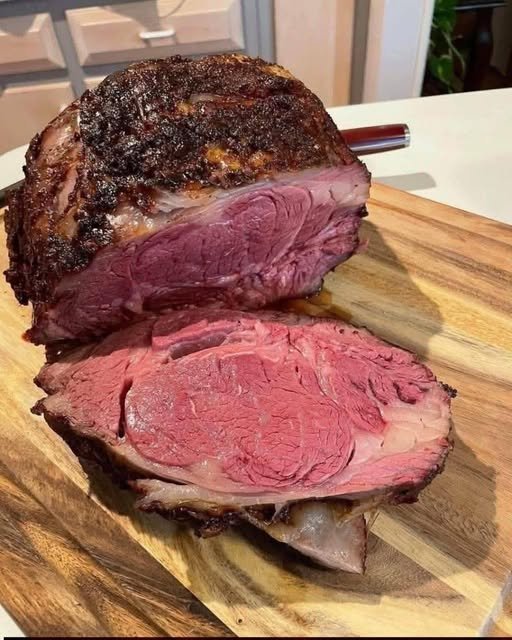
Mastering Prime Rib: From Butcher’s Cut to Table Glory
Few dishes command the same level of admiration and excitement as a perfectly cooked Prime Rib. Known for its rich flavor, juicy tenderness, and impressive presentation, this classic roast has long been the centerpiece of celebratory meals and family gatherings. When prepared correctly, prime rib delivers a restaurant-quality experience right from your own kitchen.
Learning to master prime rib begins long before the roast goes into the oven. It starts at the butcher counter, continues with proper seasoning and preparation, and finishes with careful cooking and carving. In this guide, you’ll discover how to select the best cut, season it properly, cook it to perfection, and serve it with confidence.
Understanding the Prime Rib Cut
Prime rib, also known as Standing Rib Roast, comes from the rib section of the cow. This area produces meat that is beautifully marbled with fat, which melts during cooking and creates the roast’s signature tenderness and flavor.
A full prime rib roast usually contains six to seven ribs, but most home cooks purchase a smaller portion, typically two to four ribs, depending on how many guests they plan to serve.
The roast can be prepared either:
- Bone-in – more flavorful and visually impressive
- Boneless – easier to carve and cook evenly
Many chefs prefer bone-in roasts because the bones act as a natural roasting rack and enhance flavor during cooking.
Choosing the Best Prime Rib at the Butcher
Selecting a high-quality roast is the foundation of an outstanding prime rib dinner. When visiting your butcher, consider the following factors.
Look for Good Marbling
Marbling refers to the thin streaks of fat within the meat. These fat deposits melt during cooking, adding moisture and flavor. A well-marbled roast will produce a much more tender and flavorful result.
Choose the Right Grade
In many markets, beef is graded based on quality. The most common grades include:
- Prime – highest marbling and tenderness
- Choice – excellent quality and widely available
- Select – leaner and less flavorful
While prime grade is ideal, a well-chosen choice-grade roast can still deliver excellent results.
Ask the Butcher for Preparation
Your butcher can help prepare the roast by:
- Frenching the bones (cleaning them for presentation)
- Tying the roast for even cooking
- Removing and reattaching the bones for easier carving later
This preparation makes cooking and serving much simpler.
Preparing the Roast Before Cooking
Great prime rib starts with proper preparation.
Bring the Roast to Room Temperature
Remove the roast from the refrigerator about 1–2 hours before cooking. This allows it to cook more evenly.
Season Generously
Prime rib benefits from simple seasoning that highlights its natural flavor.
A classic seasoning blend includes:
- Kosher salt
- Freshly ground black pepper
- Garlic
- Fresh herbs such as rosemary and thyme
Rub the seasoning all over the roast and let it rest so the flavors can penetrate the meat.
Cooking Methods for Perfect Prime Rib
There are several popular cooking methods, but the slow-roasting method produces the most consistent results.
Slow Roast Method
- Preheat your oven to 250°F (120°C).
- Place the roast bone-side down on a roasting rack.
- Insert a meat thermometer into the thickest part.
- Roast slowly until the internal temperature reaches your desired doneness.
Recommended Internal Temperatures
- Rare: 120–125°F
- Medium Rare: 130–135°F
- Medium: 140–145°F
Most chefs recommend medium rare for prime rib because it keeps the meat juicy and tender.
The Reverse Sear Finish
For a beautiful crust, many cooks finish the roast with a reverse sear.
Once the roast reaches the desired internal temperature:
- Remove it from the oven and rest it for 20 minutes.
- Increase the oven temperature to 500°F (260°C).
- Return the roast to the oven for 5–10 minutes.
This creates a crisp, flavorful exterior while preserving the juicy interior.
Why Resting the Meat Matters
Resting is a critical step in preparing prime rib. After cooking, the juices inside the meat redistribute throughout the roast.
Allow the roast to rest 20–30 minutes before carving.
Skipping this step can cause the juices to run out when sliced, leaving the meat drier than it should be.
Carving the Prime Rib
Carving prime rib properly ensures beautiful slices and maximum tenderness.
Step-by-Step Carving
- Place the roast on a cutting board.
- If bone-in, cut along the bones to remove them.
- Lay the boneless roast flat.
- Slice into ½ to 1 inch thick pieces.
Always carve against the grain for the most tender bites.
Classic Side Dishes for Prime Rib
A prime rib dinner is often accompanied by traditional side dishes that complement its rich flavor.
Popular choices include:
- Yorkshire Pudding – a classic British accompaniment
- Creamy mashed potatoes
- Roasted garlic green beans
- Buttered asparagus
- Horseradish sauce
- Au jus gravy made from pan drippings
These sides create a balanced and memorable meal.
Tips for Prime Rib Success
Use a Meat Thermometer
Guessing doneness is the most common mistake. A digital meat thermometer ensures accuracy.
Don’t Overcook
Prime rib continues cooking slightly during resting, so remove it from the oven a few degrees before the target temperature.
Salt Early for Better Flavor
Salting the roast several hours in advance can enhance flavor and improve the crust.
Keep It Simple
Prime rib is naturally flavorful, so heavy marinades or complicated sauces are unnecessary.
Storing and Reheating Leftovers
If you’re lucky enough to have leftovers, prime rib can be just as delicious the next day.
Storage
Refrigerate leftover slices in an airtight container for up to 4 days.
Reheating
To maintain tenderness:
- Place slices in a baking dish.
- Add a little beef broth.
- Cover with foil.
- Warm gently at 250°F until heated through.
Creative Ways to Use Leftover Prime Rib
Leftover prime rib can be transformed into several delicious meals.
Try using it in:
- Prime rib sandwiches
- Beef hash with potatoes
- Steak salads
- Tacos or wraps
- Hearty beef soup
These dishes ensure none of the flavorful roast goes to waste.
Final Thoughts
Mastering Prime Rib is a rewarding skill that turns an already impressive cut of beef into a truly unforgettable meal. From choosing the perfect roast at the butcher to seasoning, roasting, and carving with care, every step contributes to the final result.
While it may seem intimidating at first, prime rib is surprisingly simple when you understand the basics. With patience, quality ingredients, and the right technique, you can confidently bring a stunning roast from the butcher’s counter to the dinner table.